
Hi everyone — I’m Ethan Reyes, your Local Voices contributor for Weather & Environment in Basalt. I want to dive into some of the long-term changes happening around us — in our air, forests, water, and wildlife — so we can all better understand what’s shifting and what we can do.
Rising Temperatures & Drying Soils
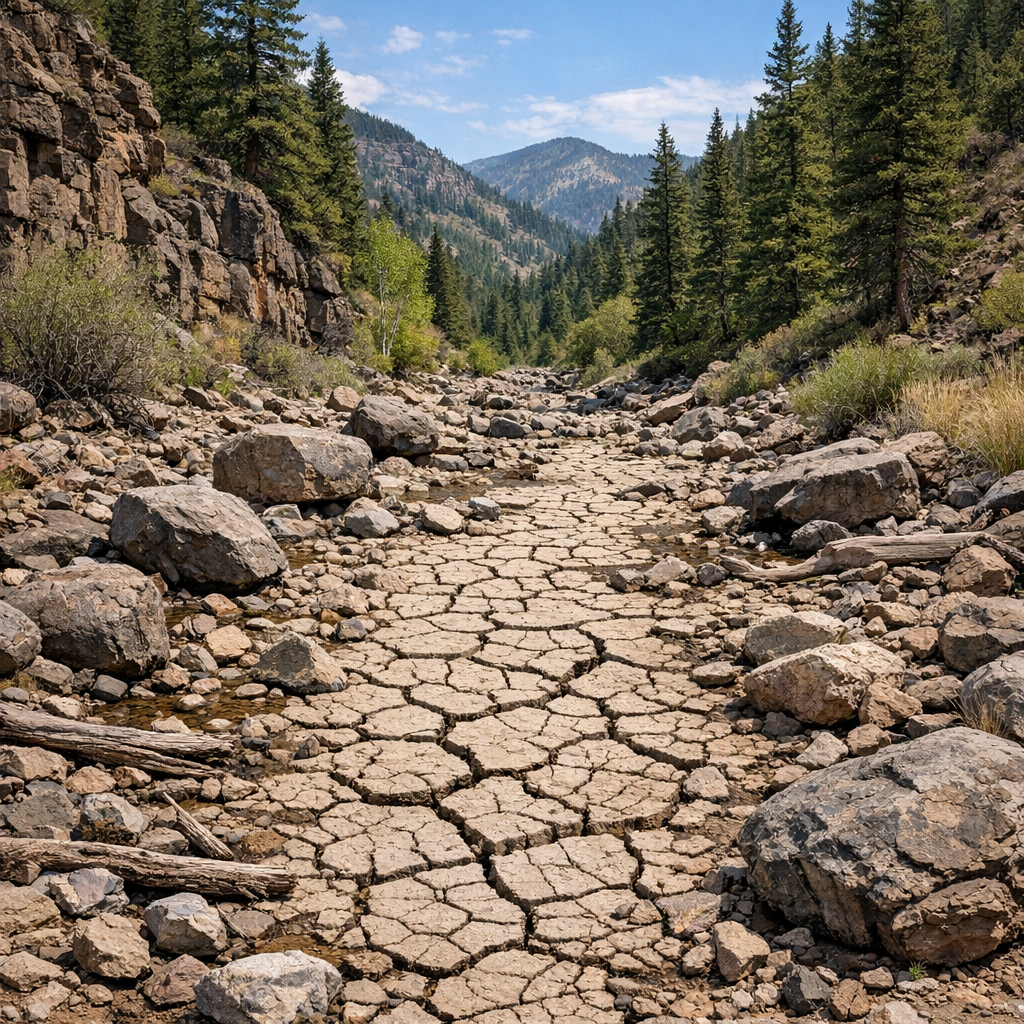
Temperatures in Basalt and the broader Roaring Fork Valley are trending upward, particularly during summer. The Roaring Fork Observation Network has documented soil moisture falling well ahead of typical seasonal declines — especially by late spring and early summer — which means our landscape is drying earlier each year. Lower soil moisture not only stresses vegetation but also heightens wildfire risk and impacts the timing and amount of water flowing into rivers downstream.
Forest Health Under Stress
With ongoing drought and hotter conditions, our forests are more vulnerable than usual. Native bark beetles — such as the Douglas-fir beetle — are finding it easier to overwhelm stressed trees, resulting in pockets of tree mortality in areas of the Roaring Fork Valley. These losses affect not just the landscape we love, but also raise risks for wildfire spread and erosion.
Water Supply, Restrictions, and River Health
Our town’s water system enters Stage 1 Water Restrictions annually between spring and fall — water use rules that limit outdoor watering based on address. These restrictions are one visible signal of drought conditions. Meanwhile, roaming water-conservancy work continues — organizations like the Basalt Water Conservancy District promote storage, education, and better water management to make water supplies more resilient.
At the same time, changes in snowpack and early melt affect stream flows, harming aquatic habitat. Local algae monitoring programs are noticing shifts in water quality in alpine lakes — headwaters for many of our rivers — likely driven by reduced snowpack, warmer temperatures, drought, and past wildfires.
Biodiversity & Wildlife Trends
The Roaring Fork Watershed remains a wildlife haven, but population trends are concerning. Since 2000, elk numbers have dropped by about half, and mule deer and bighorn sheep populations also show long-term declines. Much of this is tied to changing habitat conditions — loss of high quality foraging areas, altered migration corridors, and stress from weather extremes.
What We Can Do Locally
Here are steps Basalt residents can take to help our environment adapt and thrive:
- Stay mindful of water: follow watering restrictions, reduce outdoor landscaping needs, and support efficient fixtures indoors.
- Support forest health: participate in local efforts to remove dead trees, support controlled burns, and advocate for forest thinning where safe and appropriate.
- Protect biodiversity: reduce barriers for wildlife movement, plant native species, and avoid unnecessary light pollution and habitat disruption.
- Stay involved: volunteer for algae or stream monitoring projects, join watershed groups, and keep talking about environmental policy at town meetings.
These changes are happening gradually but clearly, and Basalt’s future depends on how we respond now. Understanding the link between our weather, water, forests, and wildlife helps us be better stewards of this place we love.