

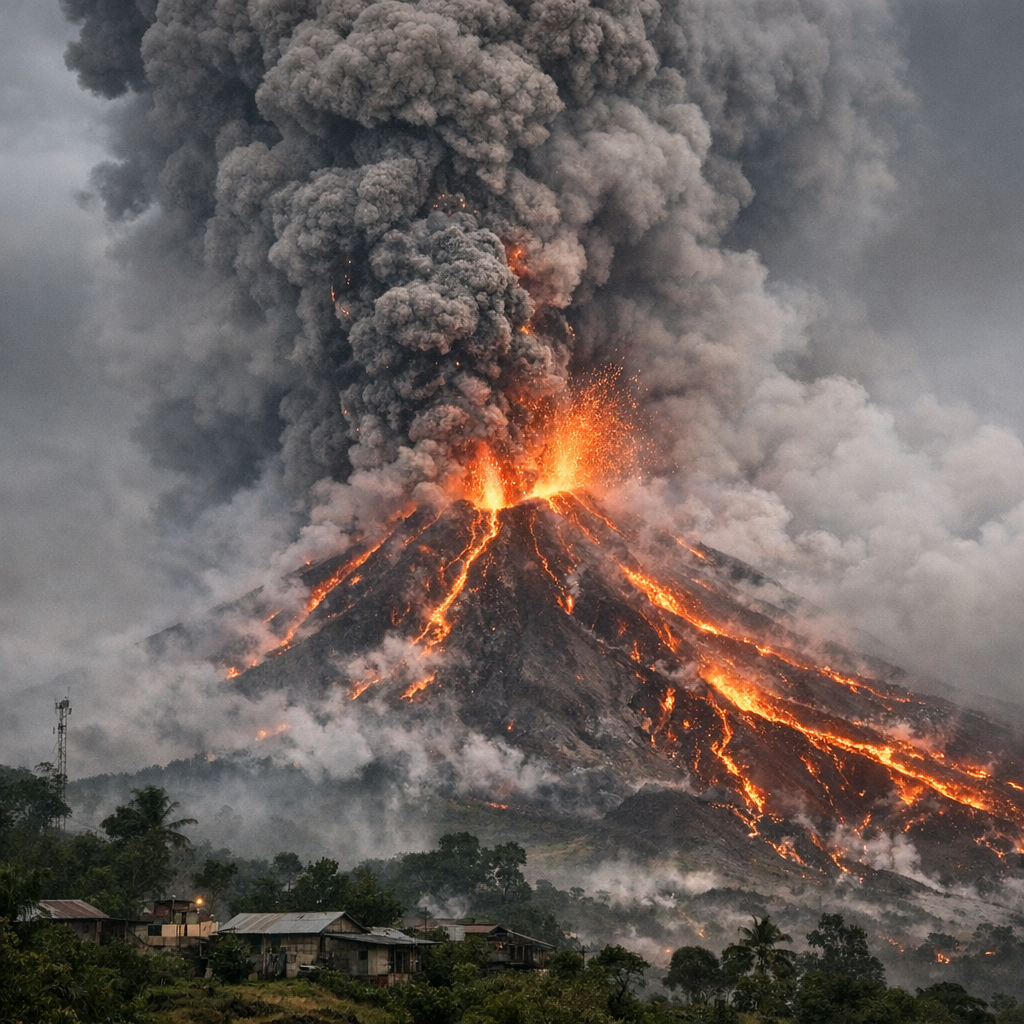
Volcanic eruptions are among the most powerful natural events on Earth, capable of altering landscapes and affecting global climates. While Basalt, Colorado, is not directly threatened by active volcanoes, understanding the broader implications of volcanic activity is essential for comprehending global environmental changes.
Global Climate Effects
Large-scale volcanic eruptions can inject vast amounts of ash and gases, such as sulfur dioxide, into the atmosphere. These substances can lead to the formation of sulfate aerosols, which reflect sunlight and can cause temporary global cooling. For instance, the 1991 eruption of Mount Pinatubo in the Philippines led to a measurable decrease in global temperatures for several years.
Potential for Warming
Contrary to the cooling effects of certain eruptions, some volcanic events, particularly flood basalt eruptions, have been linked to periods of global warming. These eruptions release significant amounts of greenhouse gases, including carbon dioxide, which can lead to long-term warming trends. Research indicates that such events have historically contributed to climate shifts and even mass extinctions.
Local Implications
While Basalt is not in proximity to active volcanoes, the town has experienced environmental challenges, such as the Lake Christine Fire in 2018. This wildfire, which burned over 12,000 acres, underscores the importance of understanding and preparing for natural disasters, even those not directly related to volcanic activity.
Conclusion
Volcanic eruptions, whether causing cooling or warming, have profound effects on global climates and environments. Staying informed about these events helps communities like Basalt appreciate the interconnectedness of global natural phenomena and the importance of preparedness for various environmental challenges.