
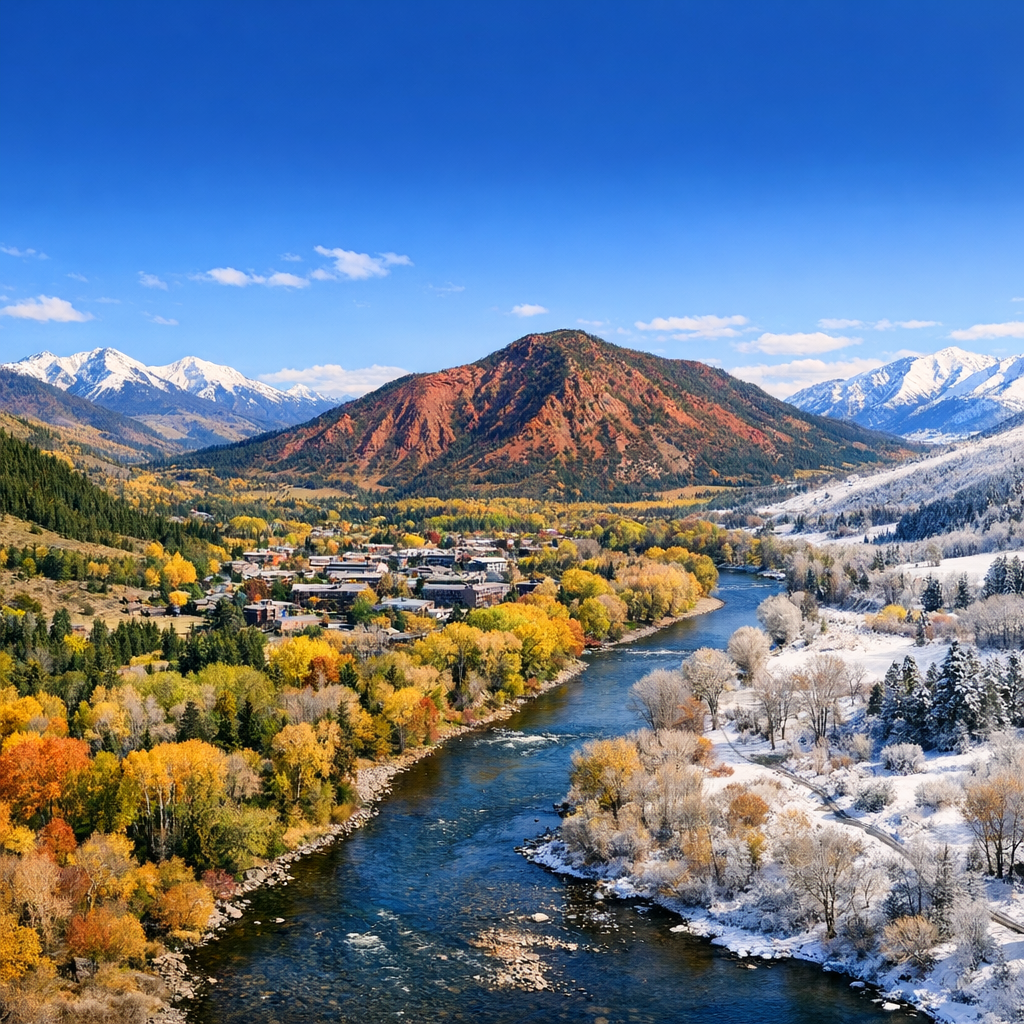
Basalt, Colorado, nestled in the Roaring Fork Valley, experiences a diverse climate characterized by distinct seasonal variations. Understanding these patterns is essential for residents to prepare for weather changes and engage in environmental stewardship.
Seasonal Temperature and Precipitation
Basalt’s climate features cold winters and warm summers. Average high temperatures range from 36°F (2°C) in January to 87°F (31°C) in July. Correspondingly, average low temperatures vary from 13°F (-11°C) in January to 53°F (12°C) in July. Precipitation is relatively evenly distributed throughout the year, with monthly averages between 1.07 inches (27 mm) in June and July to 1.95 inches (50 mm) in September. Snowfall is common in winter months, contributing to the region’s winter sports appeal.
Frost Dates and Growing Season
The average last frost date in Basalt occurs between May 1 and May 10, while the first frost typically arrives between October 1 and October 10. This results in a growing season of approximately 125 to 150 days. Gardeners and farmers should plan accordingly to optimize planting schedules and protect sensitive crops from unexpected frosts.
Wildfire Risk and Mitigation Efforts
Basalt’s location within a wildland-urban interface zone elevates its susceptibility to wildfires. Factors such as prolonged drought, beetle infestations, and the legacy of past fires, like the 2018 Lake Christine Fire, have heightened this risk. In response, the Town of Basalt, in collaboration with local and state agencies, initiated a wildfire mitigation project in 2025. This ongoing effort focuses on thinning and reducing organic fuel sources on Basalt Mountain to promote forest health and reduce wildfire hazards. Residents are encouraged to stay informed about these initiatives and participate in community preparedness programs.
Water Quality Considerations
Basalt residents primarily source their water from municipal supplies or private wells. The area’s rich subterranean mineral content leads to hard water, which can cause buildup in household appliances and plumbing systems. Municipal water is treated with chlorine for disinfection, while well water may contain sediment or inorganic analytes like iron or nitrate. Regular testing and appropriate filtration systems can help ensure water quality and safety for household use.
By staying informed about Basalt’s climate patterns and environmental factors, residents can better prepare for seasonal changes and contribute to the community’s resilience and sustainability.